The Istanbul Bosphorus is one of the most extraordinary natural waterways in the world. More than just a strait, it is a geographical marvel, a historical boundary, and a cultural symbol that has shaped civilizations for thousands of years. Flowing between Europe and Asia, the Bosphorus defines Istanbul’s identity and gives the city its unmatched character.
For centuries, empires fought to control it, merchants relied on it, and travelers admired it. Today, the Bosphorus remains a vital international waterway and a breathtaking setting for one of the world’s most memorable urban landscapes.
Read This: The Timeless Story of Istanbul
What Is the Istanbul Bosphorus?
The Bosphorus is a natural strait connecting the Black Sea to the Sea of Marmara, forming part of the only maritime passage between the Black Sea and the Mediterranean.
Key Technical Facts
- Length: approximately 30 kilometers (19 miles)
- Width: ranges from 700 meters to 3,700 meters
- Depth: varies between 36 and 124 meters
- Current system: two-layered
- Surface current flows from the Black Sea to the Sea of Marmara
- Underwater current flows in the opposite direction
This complex current system makes navigation challenging and has contributed to the Bosphorus’ strategic importance throughout history.
The Bosphorus in Ancient and Classical History
The name Bosphorus comes from ancient Greek, meaning “ox passage”, linked to mythological stories involving Zeus and Io. While legendary in origin, the name reflects how deeply the strait was embedded in early human imagination.
Historically, control of the Bosphorus meant control of trade, military movement, and access to resources. Ancient Greek city-states established colonies along its shores, using the strait as a gateway for grain shipments from the Black Sea region.
When Constantinople was founded in the 4th century, the Bosphorus became a defensive and economic lifeline of the Eastern Roman (Byzantine) Empire. The city’s survival for nearly a thousand years was largely due to its command over this waterway.
The Ottoman Era and the Bosphorus’ Golden Age
With the Ottoman conquest of Constantinople in 1453, the Bosphorus entered a new chapter. The Ottomans transformed its shores into a sequence of imperial residences, fortresses, and waterfront palaces.
Strategic Fortifications
Two major fortresses still stand as symbols of Ottoman control:
- Rumeli Fortress
- Anadolu Fortress
Built before the conquest, these structures allowed the Ottomans to control naval traffic and cut Byzantine supply lines.
Over time, the Bosphorus became associated not only with military strength but also with elegance. Wooden waterfront mansions (yalıs), gardens, and pavilions lined the shore, especially during the 18th and 19th centuries. The strait became the ceremonial heart of the empire.
The Bosphorus in the Modern Era
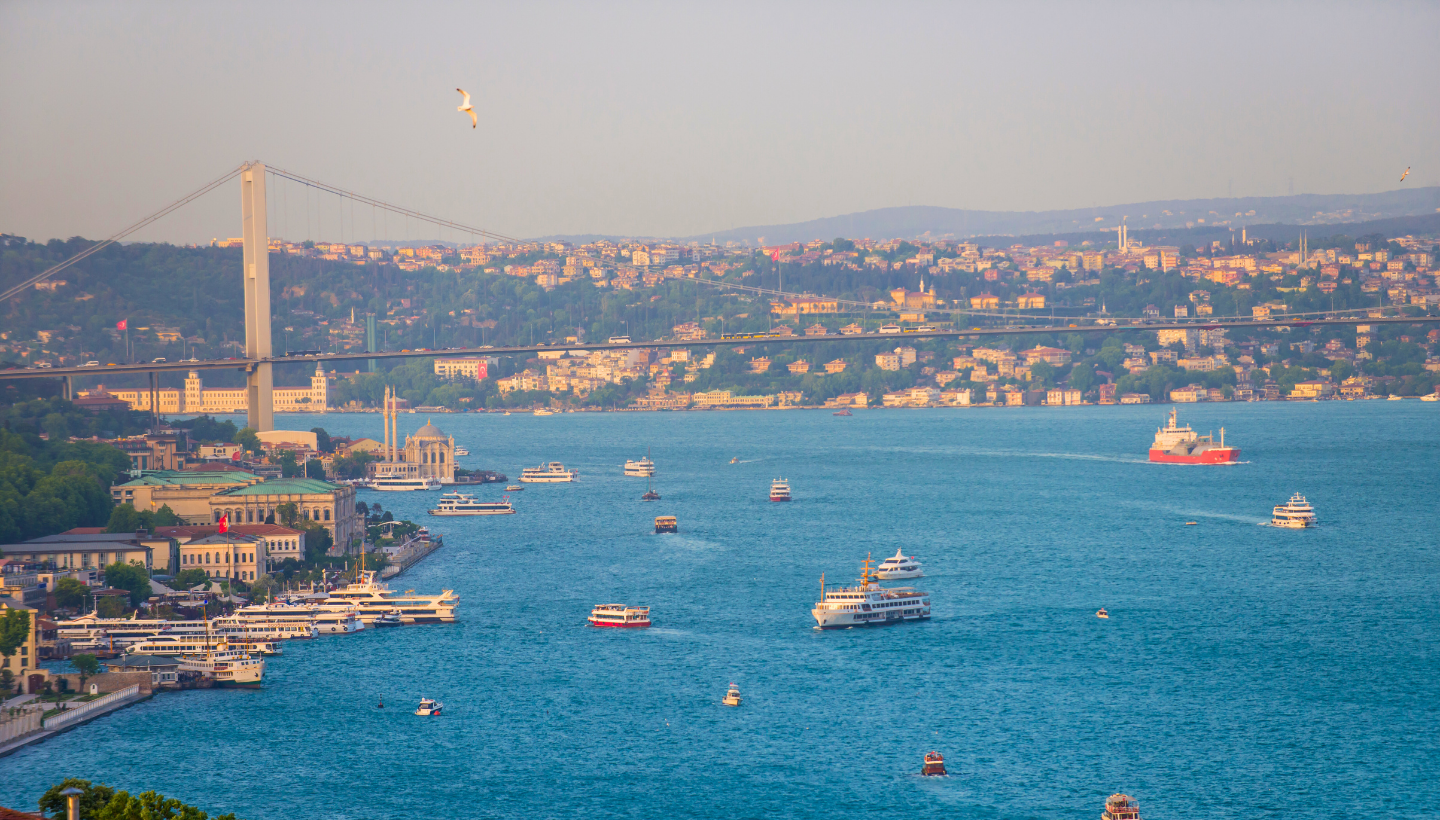
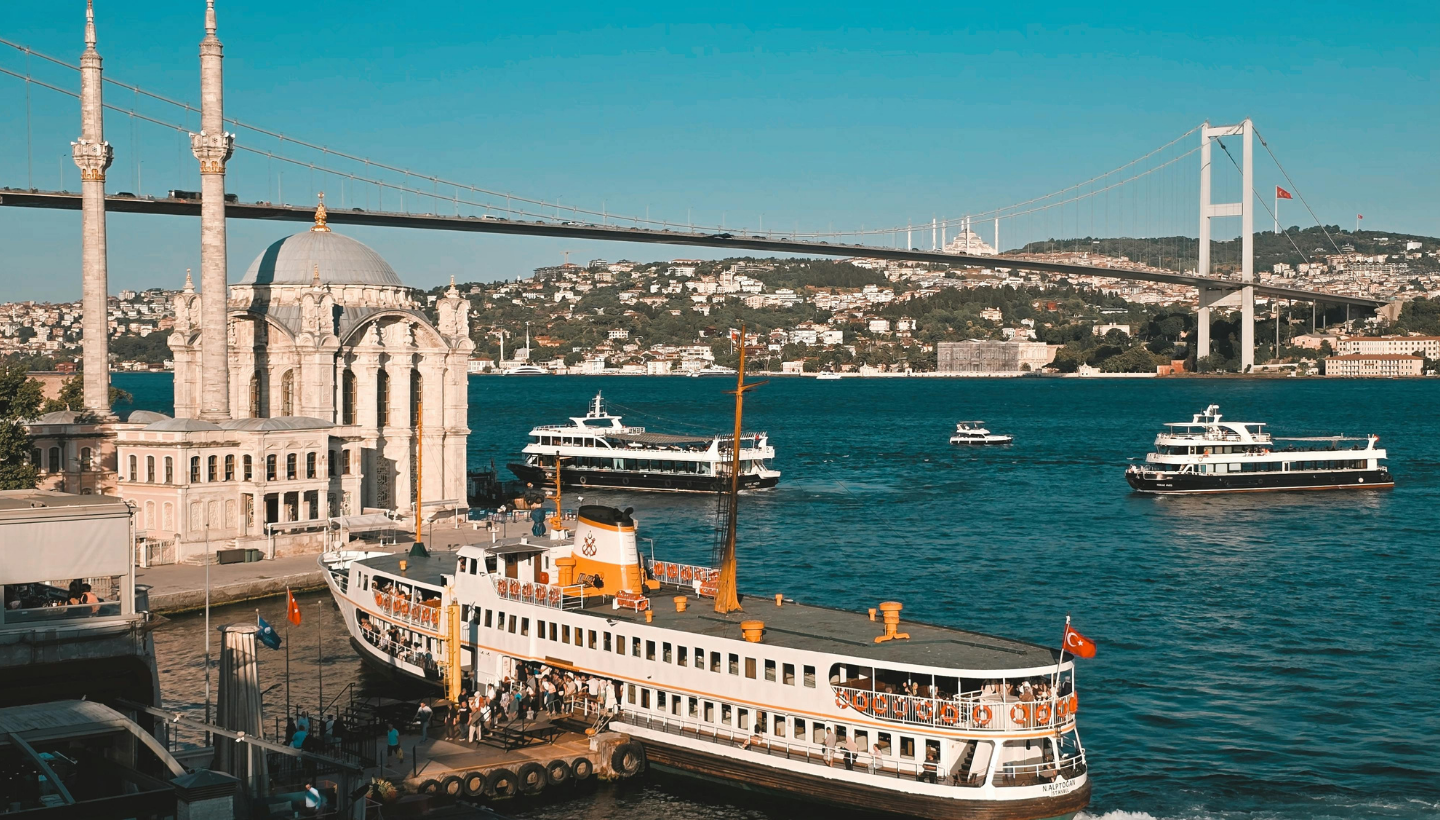
Today, the Bosphorus is governed by international maritime conventions and remains one of the busiest natural waterways in the world. Thousands of vessels — including oil tankers, cargo ships, and passenger ferries — pass through it every year.
Despite heavy traffic, it continues to function as:
- A major international shipping route
- A natural boundary between continents
- A central element of Istanbul’s urban life
Ferries, fishing boats, and private yachts coexist with large commercial ships, creating a dynamic and visually striking scene unique to Istanbul.
Bridges of the Bosphorus: Engineering and Symbolism
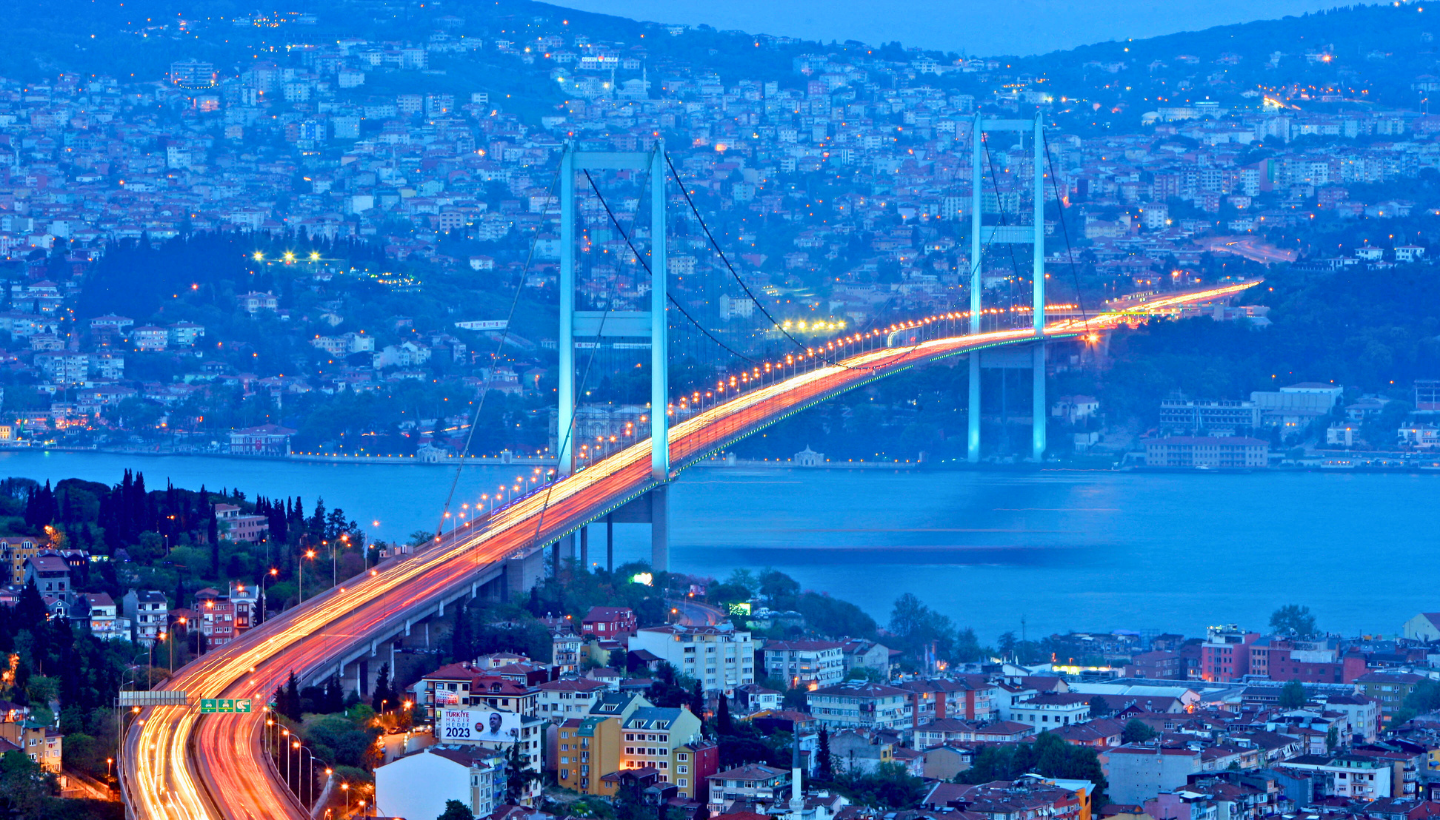
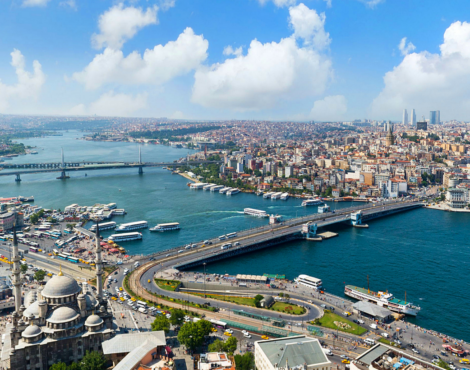
Three major suspension bridges connect Europe and Asia across the Bosphorus, each representing a different era of modern Turkey.
15 July Martyrs Bridge
- Opened in 1973
- Length: 1,560 meters
- First permanent road connection between the two continents
Fatih Sultan Mehmet Bridge
- Opened in 1988
- Located north of the first bridge
- Plays a key role in intercity transportation
Yavuz Sultan Selim Bridge
- Opened in 2016
- One of the widest suspension bridges in the world
- Carries both road and rail traffic
These bridges are not only feats of engineering but also powerful symbols of Istanbul’s role as a connector of worlds.
Why the Bosphorus is So Important
The importance of the Bosphorus goes far beyond its beauty. It is:
- A strategic chokepoint in global maritime trade
- A defining element of Istanbul’s geography
- A cultural icon represented in art, literature, and music
Few cities can claim such a deep connection between natural geography and historical destiny.
A Short Guide to Bosphorus Cruises in Istanbul
A Bosphorus cruise is one of the most rewarding ways to experience Istanbul.
What You’ll See
- Ottoman palaces and waterfront mansions
- Historic mosques and fortresses
- Panoramic views of both continents
Popular Options
- Short cruises (1–2 hours): Ideal for first-time visitors
- Half-day cruises: Include stops along the Asian shore
- Sunset cruises: Highly recommended for photography
Departures typically take place from Eminönü or Karaköy, both easily accessible from Istanbul’s Old City.
Experiencing the Bosphorus While Staying in the Old City
Guests staying in the Historical Peninsula have a unique advantage: easy access to Bosphorus cruise points without sacrificing proximity to Istanbul’s main landmarks. From central districts like Laleli, reaching Eminönü or Karaköy is quick via tram or taxi.
After a day spent cruising between continents, returning to a calm and comfortable hotel in the Old City offers the perfect balance between exploration and rest.
The Bosphorus: A Living Story
The Istanbul Bosphorus is not a relic of the past, it is a living, breathing artery of the city. It carries ships, stories, and centuries of history every single day. To understand Istanbul fully, one must understand the Bosphorus: its currents, its bridges, its legends, and its enduring role in shaping one of the world’s greatest cities.