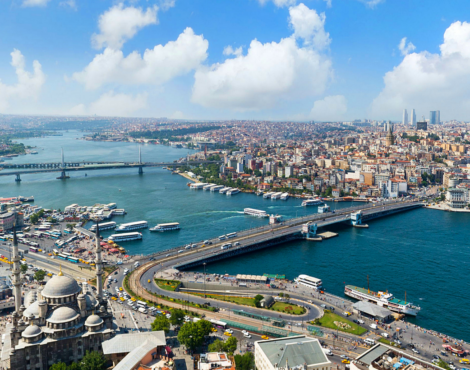
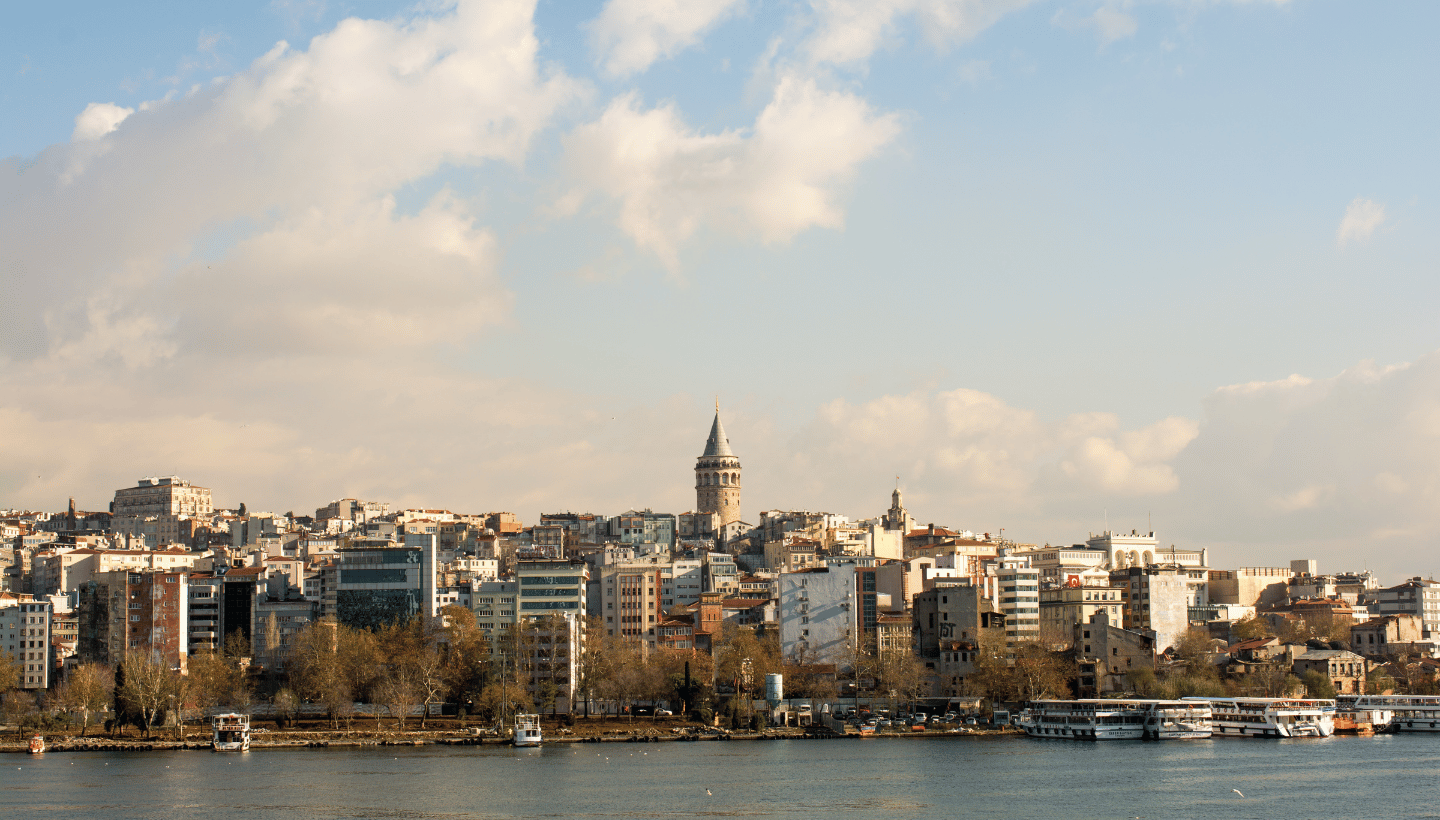
Few neighborhoods in Istanbul captivate visitors as deeply as Galata. Rising on the northern shore of the Golden Horn and crowned by the iconic Galata Tower, this district has been home to merchants, sailors, artists, and travelers for more than a millennium. Its narrow streets, historical buildings, and multicultural heritage create an atmosphere unlike anywhere else in the city.
Galata is not simply a neighborhood, it is a living archive of Istanbul’s maritime history, European influence, commercial expansion, and cultural diversity. From the Genoese colony of the Middle Ages to the artistic transformations of modern Istanbul, Galata has continuously reinvented itself while preserving its timeless charm.
In this extensive guide, we explore the history, myths, architecture, cultural legacy, and places to visit in Galata, concluding with a practical route from Dalan Hotel in Laleli to the heart of the district.
A Brief History of Galata: From Byzantine Frontier to Genoese Powerhouse
Early History: The Byzantine Period
The area known today as Galata (historically Pera, meaning “the other side” in Greek) began to flourish during the Byzantine Empire. Positioned opposite Constantinople’s main harbor, it served as a commercial district where foreign traders — notably Venetians, Amalfians, and later Genoese — established warehouses, markets, and consulates.
The Byzantines allowed certain foreign communities to live and trade in the area under regulated agreements. Galata developed into a bustling trade zone that supported the imperial capital without being fully integrated into the city’s defensive walls.
The Genoese Era: 13th–15th Century
Galata’s most influential period began in the 13th century when the Genoese Republic gained control of the district under the Byzantine emperor Michael VIII Palaiologos.
The Genoese fortified the area, constructed stone houses, and developed an urban layout reminiscent of Italian merchant colonies.
The most significant landmark from this era is the Galata Tower, originally built in 1348 as “Christea Turris” (Tower of Christ). It served as a watchtower and symbol of Genoese authority.
During this period, Galata became an independent commercial enclave, governed by Genoese councils and protected by walls that stretched across today’s Karaköy and Bereketzade neighborhoods.
Trade flourished here:
- Silk and spices arrived from the East
- Wool and metals came from Europe
- The Golden Horn became a crossroads of maritime commerce
The Ottoman Conquest and Transformation
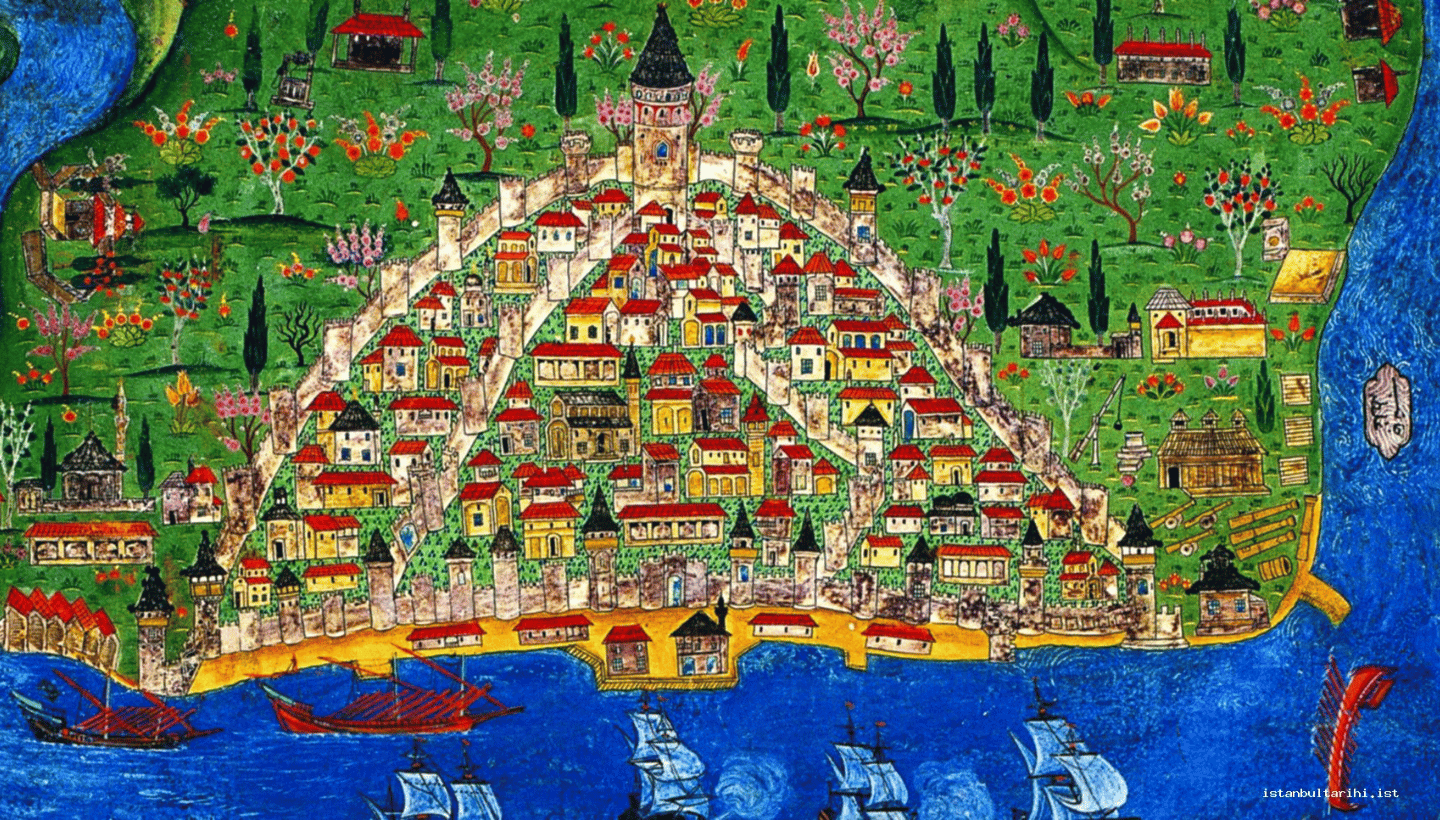
When the Ottomans conquered Constantinople in 1453, Galata surrendered peacefully and retained many of its privileges. Over time, the Genoese influence blended with Ottoman culture.
The district became home to:
- European merchants and diplomats
- Jewish communities arriving from Spain and Portugal
- Greek and Armenian artisans
- Ottoman sailors and craftsmen
Galata’s multicultural character expanded further in the 19th century with the development of Bankalar Caddesi (Bank Street), where the Ottoman Empire’s financial institutions and foreign banks were established.
Today, these buildings stand as elegant examples of late Ottoman neoclassical and art nouveau architecture.
Legends of Galata: Stories That Shaped the District
1- The Legend of Hezarfen Ahmed Çelebi
One of Istanbul’s most famous legends tells of Hezarfen Ahmed Çelebi, a 17th-century scholar who allegedly flew from the Galata Tower to Üsküdar using wooden wings.
Evliya Çelebi, the Ottoman travel writer, records this event in his book Seyahatname. While historians debate the accuracy, the story remains one of the district’s most beloved tales, symbolizing human curiosity and courage.
2- The “Galata Name” Origin Stories
There are two widely accepted theories about the origin of the word Galata:
- Derived from the Greek Galaktos (milk), referencing early pastoral activity
- Derived from the Latin Calata, meaning “stairway” or “sloping path,” related to the hillside’s geography
Though the true origin is uncertain, both explanations reflect the district’s ancient roots.
3- The Tower and the Maiden Motif
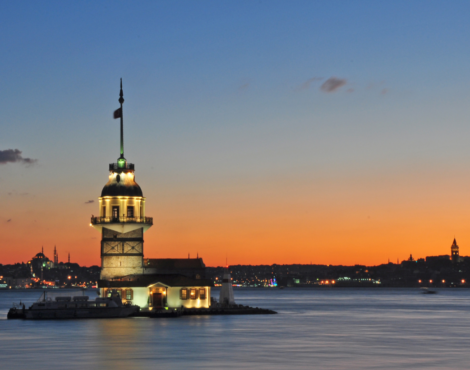
Another popular legend links Galata Tower to the Maiden’s Tower across the Bosphorus.
According to the romantic tale, the two towers were once lovers separated by the waters but eternally facing each other. This symbolic motif appears in several poems, artworks, and folk stories, representing longing and connection.
Places to Visit in the Galata District
Galata Tower (Galata Kulesi)
The district’s most iconic monument, Galata Tower stands 67 meters high and offers one of the best panoramic views of Istanbul. Originally built by the Genoese in 1348, the tower served as a watchtower, a fire lookout, and later an observatory.
Today, visitors can:
- Climb to the observation deck
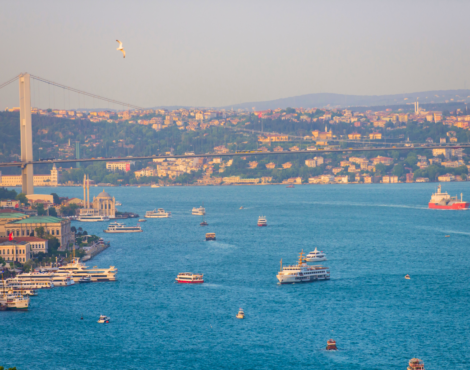
- View the Golden Horn, Bosphorus, and Historical Peninsula
- Explore small exhibitions on the tower’s history
Bankalar Caddesi (The Banks Street)
Often called the “Wall Street of the Ottoman Empire,” this street became the financial heart of Istanbul in the 19th century.
Key buildings include:
- The Ottoman Bank (now Salt Galata, a cultural and art center)
- Former European bank headquarters
- Elegant neoclassical façades
A stroll through Bankalar Caddesi provides insight into the Ottoman modernization era and its strong ties with European commerce.
SALT Galata
Located inside the historic Ottoman Bank building, SALT Galata is now a cultural institution offering:
- Art exhibitions
- Research archives
- A beautiful reading room
- A stylish café
The interior architecture blends Ottoman and European influences, creating a refined and educational environment.
Karaköy Streets and Art Nouveau Buildings
Galata borders the vibrant Karaköy neighborhood, where visitors find lively cafés, boutique shops, and restored 19th-century buildings showcasing:
- Art Nouveau ironwork
- European-style balconies
- Neo-gothic window frames
This area reflects the cosmopolitan spirit of late Ottoman Istanbul.
St. Pierre Han and Historical Trading Inns
Galata contains several hans, historical commercial inns that hosted merchants, artisans, and travelers. Many still retain their stone courtyards and arched passages, offering glimpses into the city’s commercial life during Ottoman times.
Church of St. Anthony of Padua (nearby İstiklal Avenue)
While technically closer to Beyoğlu than Galata Tower itself, St. Anthony’s Basilica is one of Istanbul’s most important Catholic churches. Its Venetian Gothic architecture reflects the region’s European heritage.
Galata Mevlevi Lodge (Galata Mevlevihanesi)
Built in 1491, this Mevlevi (Whirling Dervish) lodge introduces visitors to Sufi culture. The museum includes:
- Religious instruments
- Calligraphy works
- Weekly sema ceremonies
Kamondo Stairs (Kamondo Merdivenleri)
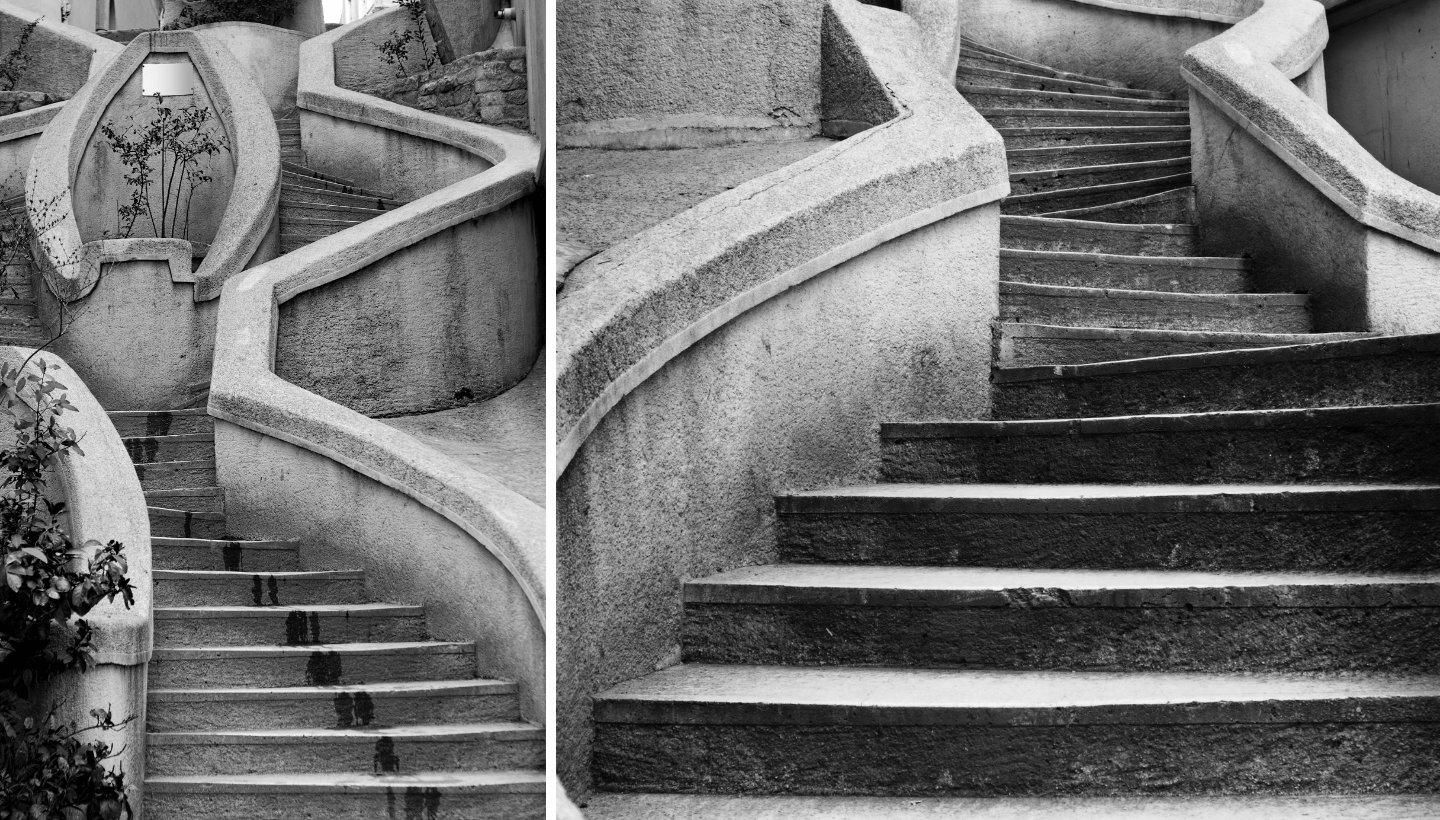
Designed in the late 19th century by the wealthy Kamondo family, these iconic stairs showcase a blend of Art Nouveau and Neo-Baroque styles. They were built to connect Bankalar Caddesi with the residential streets above, allowing children to reach school safely.
How to Reach Galata District from Dalan Hotel: A Simple Guide
Dalan Hotel is located in Laleli, a central district within Istanbul’s Historical Peninsula. Reaching Galata from the hotel is easy and convenient, offering guests a smooth route into one of the most charming neighborhoods of the city.
Option 1: Tram + Short Walk (Most Recommended)
- From Dalan Hotel, walk to the Laleli-Üniversite Tram Station (T1 line).
- Take the tram in the direction of Kabataş.
- Get off at Karaköy Station.
- From Karaköy, walk uphill for 10–12 minutes to reach:
-
- Galata Tower
- Galata streets
- Kamondo Stairs
- Bankalar Caddesi
This route is the fastest and most scenic, passing through the Golden Horn area.
Option 2: Taxi or Ride-Share
A direct taxi from Dalan Hotel to Galata Tower typically takes 10–15 minutes depending on traffic.
This is ideal for travelers who prefer a comfortable and quick transfer, especially early in the morning or at night.
Option 3: Walking Part of the Historical Peninsula
For guests who enjoy long city walks, it is possible to walk from Dalan Hotel to Eminönü (around 20–25 minutes), cross the Galata Bridge, and continue to the tower.
The route is filled with scenic views and local markets.
A Final Note: Experiencing Galata While Staying at Dalan Hotel
Exploring Galata’s historic streets, legends, and architecture becomes even more enjoyable when staying in a comfortable and centrally located hotel.
Dalan Hotel in Laleli offers a peaceful base within Istanbul’s Historical Peninsula, allowing guests to reach Galata quickly while enjoying a relaxing stay near Istanbul’s major monuments.
From the lively culture of Galata to the rich heritage of the Old City, visitors can move easily between two fascinating worlds — all within minutes.
Don’t waste any time—book your room at Dalan Hotel now and start exploring Istanbul.