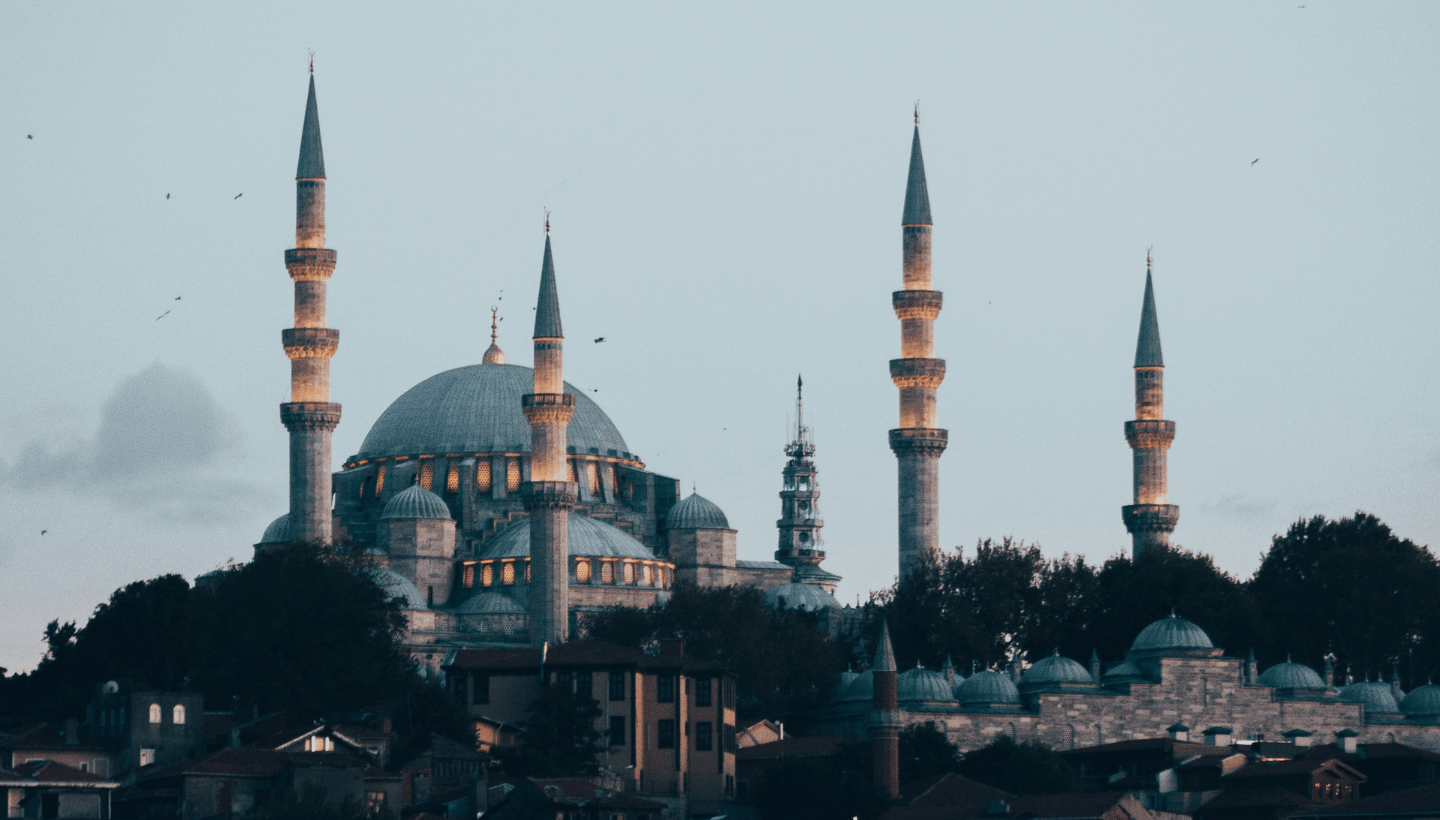
Stand anywhere along the Golden Horn and look up at the third hill of the old city, and one silhouette settles the argument about which building owns the Istanbul skyline. The Süleymaniye Mosque has been sitting on that ridge since 1557, and almost five centuries later it still looks like it was placed there by someone who knew exactly what they were doing. For guests staying in Laleli, this is the most rewarding walk in the neighbourhood: fifteen minutes uphill, no ticket, no queue, and one of the greatest buildings in the Islamic world waiting at the top.
Most visitors put the Blue Mosque and Hagia Sophia at the top of their list and never make it here, which is a shame, because Süleymaniye is quieter, larger in its ambition, and far more generous with its views. This guide covers the history behind the mosque, what to look for once you are inside, how to dress, when to come, and how to walk there from the hotel.
Why the Süleymaniye Mosque Still Dominates the Skyline
Istanbul has more than three thousand mosques. Only a handful of them shape the city’s profile, and Süleymaniye does it more completely than any other. The building sits on a terrace cut into the hillside above the Golden Horn, which means the architect did not simply build a large mosque — he built a large mosque on a plinth, so that the dome reads from the water, from Galata, from the Bosphorus ferries and from half the rooftops in Beyoğlu.
The central dome rises 53 metres above the floor and spans roughly 27 metres. Those are not record-breaking numbers by modern standards, but the effect from inside is one of extraordinary calm. The dome is carried on four enormous piers and buttressed by two semi-domes on the main axis, so the interior opens as a single unbroken volume rather than a series of compartments. There are no columns blocking the view. Wherever you stand in the prayer hall, you can see the whole space at once.
Four minarets mark the corners of the courtyard, with ten balconies between them. Tradition holds that the four minarets signal that Süleyman was the fourth sultan to rule from Istanbul, and the ten balconies that he was the tenth Ottoman sultan. Whether or not that was the original intention, it is the kind of detail that tells you how deliberately this mosque was designed to speak.
Süleyman the Magnificent and Mimar Sinan: The Story Behind the Mosque
Construction began in 1550 and finished in 1557, commissioned by Sultan Süleyman I — known in the West as Süleyman the Magnificent and in Turkey as Kanuni, “the Lawgiver”. He ruled for forty-six years, the longest reign in Ottoman history, and by the middle of it the empire stretched from Hungary to Yemen. The mosque was meant to be a permanent statement of that reach.
The architect was Mimar Sinan, chief imperial architect for roughly fifty years and the single most influential figure in Ottoman building history. Sinan produced hundreds of works — mosques, bridges, aqueducts, bathhouses, soup kitchens — and he classified his own career in three stages. He called the Şehzade Mosque his apprentice work, the Süleymaniye Mosque his journeyman work, and the Selimiye in Edirne his masterpiece. That modesty is worth keeping in mind while you stand under the dome here: Sinan considered this building a step on the way to something better.
Sinan was also a practical engineer. He is said to have let the foundations settle for years before raising the superstructure, and the building has come through numerous earthquakes with its dome intact. It survived a serious fire in 1660, damage during the 1766 earthquake, and use as a weapons depot in the First World War. A major restoration completed in 2010 returned the interior to something close to its original state.
Stepping Into the Courtyard
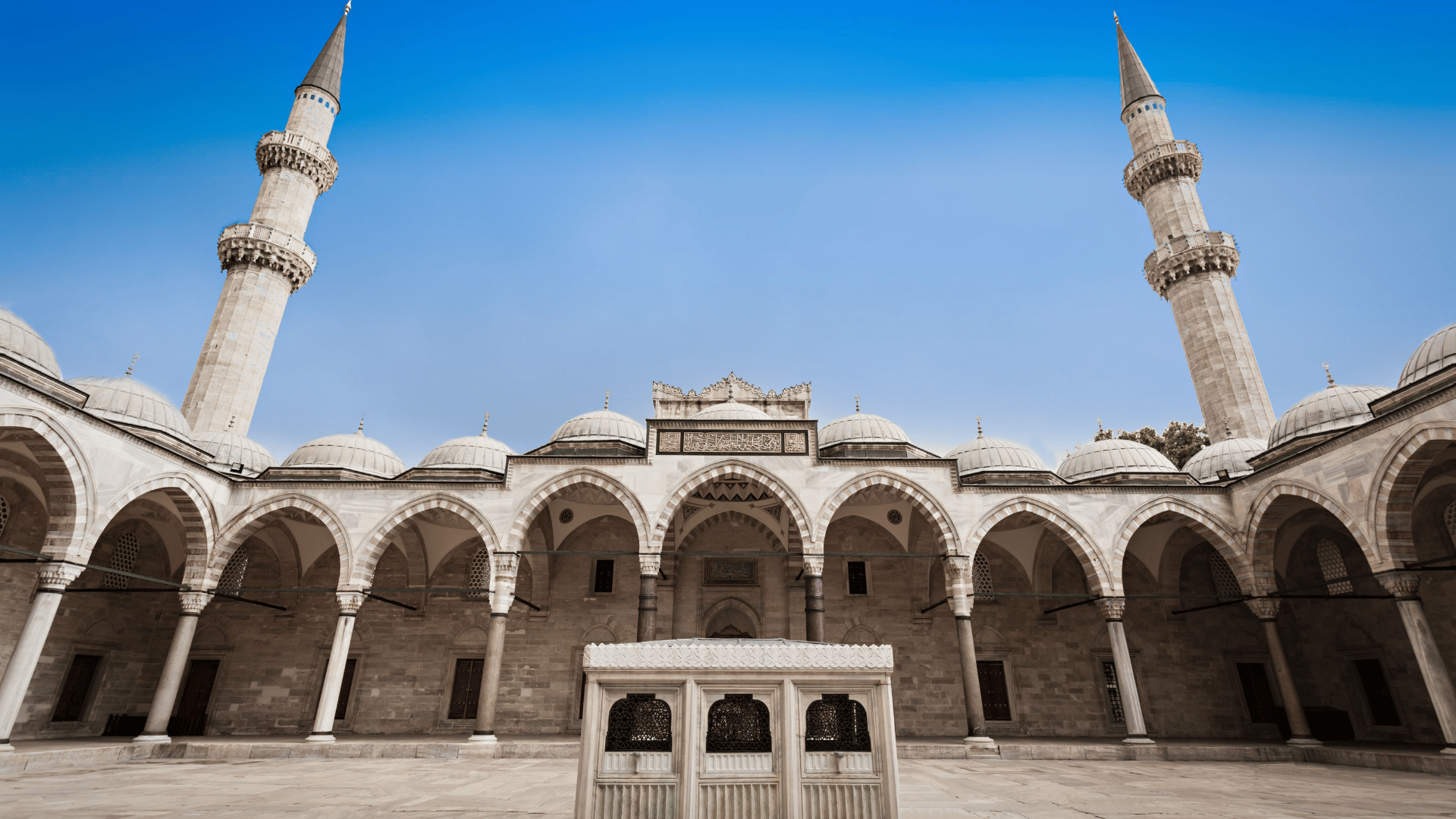
You enter through a walled outer garden and then into the avlu, the rectangular forecourt surrounded by a colonnade of domed bays. The columns here were gathered from across the empire, including porphyry shafts thought to have come from Byzantine and Roman buildings — a common Ottoman practice that deliberately folded the older city into the new one.
In the centre of the courtyard stands the şadırvan, the ablution fountain. Take a moment here before you go inside. The courtyard is where the scale of the mosque first registers: the walls frame the sky, the minarets shoot up from the corners, and the noise of the city drops away almost completely. On a weekday morning you may have it nearly to yourself.
What to Look For Inside
Leave your shoes at the entrance — there are racks and plastic bags provided — and step into the prayer hall. A few things reward attention:
- The light. There are 138 windows, many of them filled with stained glass by the sixteenth-century master known as Sarhoş İbrahim. The interior is bright rather than dim, and the quality of light changes noticeably through the day.
- The acoustics. Sinan set hollow clay jars into the dome to absorb and distribute sound. A voice from the mihrab carries to the back of the hall without amplification. If someone is reciting while you are there, stand still and listen.
- The restraint of the decoration. Compared with the Blue Mosque, there is very little tilework — mostly around the mihrab, and mostly İznik. The rest is calligraphy, painted medallions and plain stone. The building relies on proportion rather than pattern.
- The soot channels. Sinan built a ventilation system that drew the smoke from hundreds of oil lamps into a single chamber above the entrance, where the collected soot was harvested and used to make ink for calligraphers. It is the detail most guides save for last, and it is true.
The Külliye: A Whole Neighbourhood Built Around One Mosque
A large imperial mosque in the Ottoman system was never only a place of prayer. It was the centre of a külliye — a complex of public buildings funded by an endowment. The Süleymaniye külliye included four madrasas, a medical school, a hospital, a soup kitchen for the poor, a caravanserai, a hamam and a primary school. Much of it still stands and is still in use: the old imaret now houses a restaurant, and the madrasa buildings hold a library.
Behind the mosque, in the walled garden, are the tombs of Sultan Süleyman and his wife Hürrem Sultan (Roxelana). Both türbes are open to visitors, free of charge, and both are worth the ten minutes. Sinan’s own modest tomb sits just outside the north-west corner of the complex, at the junction of two streets — a small domed structure that most people walk past without noticing.
The terrace on the Golden Horn side of the complex is one of the best free viewpoints in the city. You look straight across at Galata, the Bosphorus opening to the right, ferries crossing constantly. If you have already read our guide to the historical peninsula and Istanbul’s old city, this is the spot where the whole geography finally makes sense in one glance.
Three More Mosques Within Walking Distance
Once you have seen Süleymaniye, the surrounding streets hold three more buildings that together tell the story of Ottoman architecture across three centuries.
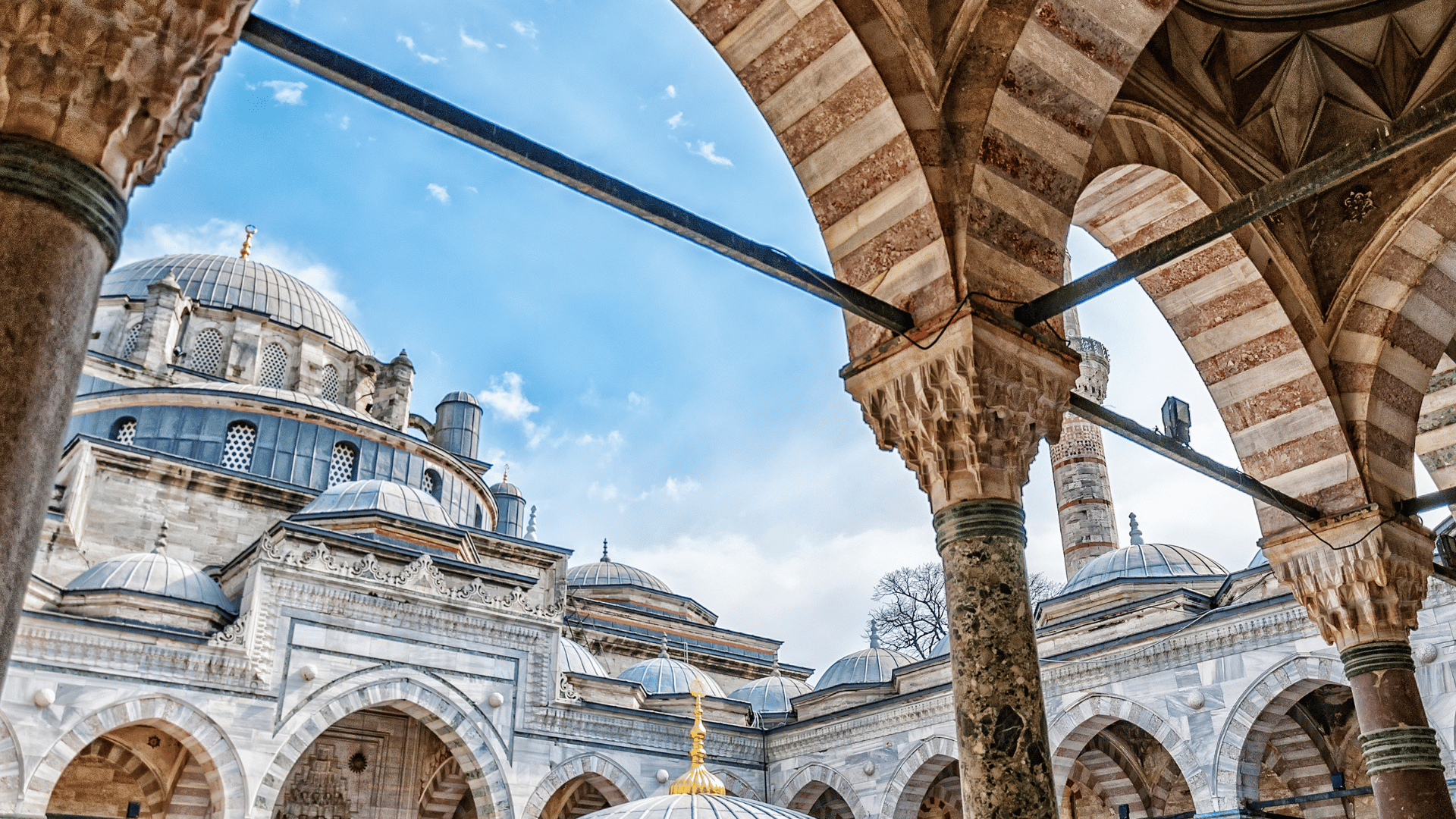
Beyazıt Mosque (1506) is the oldest surviving imperial mosque in Istanbul and sits at the edge of Beyazıt Square, next to the main gate of Istanbul University. It is the building where Ottoman architects first worked out how to translate the Hagia Sophia plan into a mosque of their own, and Sinan studied it closely. The courtyard, with its twenty columns of granite, verd antique and porphyry, is one of the calmest corners in the district. Our post on Beyazıt Square and the heart of old Istanbul covers the wider area in detail.
Şehzade Mosque (1548) stands just west of the Aqueduct of Valens, on the way from Laleli to Süleymaniye. Sinan built it for Süleyman’s son Şehzade Mehmed, who died at twenty-one, and it is the building he called his apprentice work. Its symmetrical four-semi-dome plan is easier to read than Süleymaniye’s, and the carved stone on the exterior is some of the finest in the city.
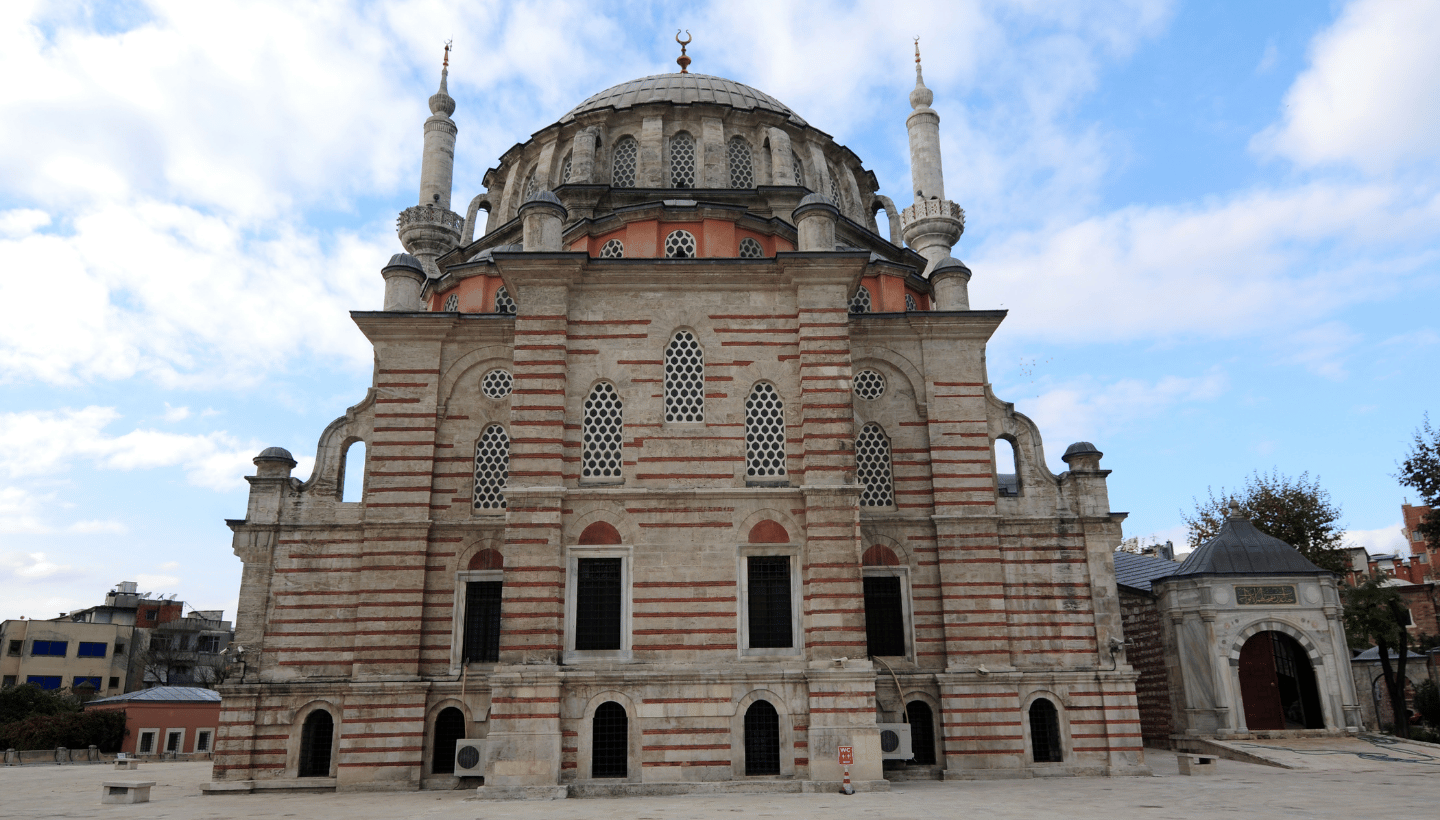
Laleli Mosque (1763) is the closest of all — a few minutes from the hotel door. Built for Sultan Mustafa III in the Ottoman Baroque style, it looks entirely different from the sixteenth-century buildings up the hill: curved cornices, elaborate stonework, and a raised platform with shops underneath that still funds the mosque’s upkeep. It gave the whole neighbourhood its name.
Visiting Hours, Dress Code and Mosque Etiquette
Süleymaniye is an active place of worship, not a museum, and there is no entrance fee. It is open to visitors throughout the day but closes to non-worshippers for roughly thirty minutes around each of the five daily prayers, and for longer around the Friday midday prayer. Arriving mid-morning or mid-afternoon avoids most of these windows.
The dress code is straightforward and applies at every mosque in the city:
- Shoulders and knees covered for everyone. Long trousers or a long skirt, and a top with sleeves.
- Women cover their hair with a scarf. If you do not have one, scarves are lent at the entrance free of charge.
- Shoes come off before you step onto the carpet. Carry them in the bag provided rather than leaving them on the racks if the mosque is busy.
- Keep your voice low, switch your phone to silent, and do not walk in front of anyone who is praying.
- Photography is allowed, but not of people at prayer, and not with flash.
A scarf and a pair of shoes that come off easily will make a day of mosque visiting far less awkward. If you are planning to see several in one morning, wear slip-ons.
How to Walk to the Süleymaniye Mosque from Laleli
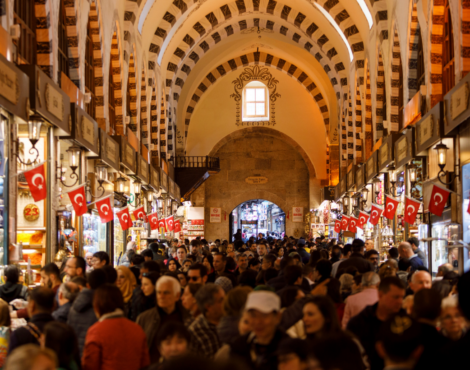
From Dalan Hotel on Azimkar Sokak, the walk takes about fifteen to twenty minutes and is straightforward, though the last stretch is uphill. Head east along Ordu Caddesi towards Beyazıt Square, pass the university gate, then turn left and climb through the streets behind the Grand Bazaar past the Old Book Bazaar. Signs for the mosque appear as you get close, and the minarets are visible for most of the climb.
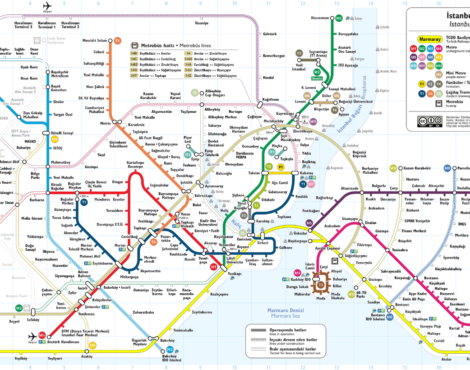
If you would rather not walk uphill, take the T1 tram one stop from Laleli-Üniversite to Beyazıt-Kapalıçarşı and start the climb from there, which cuts the flat section out. Our guide to getting around Istanbul by tram, metro and ferry explains how to buy and load an Istanbulkart if you have not done that yet.
Coming back downhill, you can drop through the Grand Bazaar and out onto Ordu Caddesi, which makes a natural loop. For more of what sits within walking range of the hotel, see our roundup of the top attractions near Laleli.
The Best Time of Day to Visit
Early morning, shortly after the mosque reopens following the dawn prayer, is the quietest hour and the light in the courtyard is excellent. Late afternoon is the other good window: the terrace on the Golden Horn side faces roughly north-west, so the hour before sunset gives you Galata lit up across the water.
Avoid Friday between about noon and 2pm, when the mosque fills for the weekly congregational prayer and visitors are asked to wait outside. Ramadan evenings are busy but memorable if you want to see the complex in full use. For seasonal advice on the city as a whole, our post on the best time to visit Istanbul breaks the year down month by month.
Frequently Asked Questions
Is there an entrance fee for the Süleymaniye Mosque?
No. Entry to the mosque, the courtyard and the tombs is free. Donation boxes are available but nobody will ask you for money.
How long should I allow for a visit?
Forty-five minutes to an hour covers the courtyard, the prayer hall, the two tombs and the terrace at an unhurried pace. Add another half hour if you want to walk down to Sinan’s tomb and around the külliye buildings.
Can non-Muslims enter the mosque?
Yes. Visitors of any faith or none are welcome outside prayer times, provided the dress code is respected. Staff at the entrance are used to tourists and will point you to the visitor door.
Is the Süleymaniye Mosque better than the Blue Mosque?
They are different buildings with different strengths. The Blue Mosque is more decorated and far busier; Süleymaniye is larger in feel, quieter, and has the better view. If you only have time for one and you want space to think, come here. Our list of must-see landmarks near Sultanahmet puts both in context.
Is the mosque accessible for visitors with limited mobility?
The approach is uphill and the courtyard has a shallow step at the entrance, but there is level access into the prayer hall from the visitor door. A taxi can drop you at the gate on Profesör Sıddık Sami Onar Caddesi, which removes the climb.
Planning Your Visit
The Süleymaniye Mosque is the kind of building that repays a slow visit. Give it an hour rather than fifteen minutes, sit on the terrace afterwards, and let the scale of the külliye register. It costs nothing, it is rarely crowded, and it is close enough to Laleli that you can do it before breakfast or on the way back from the Grand Bazaar without rearranging your day.
Staying in Laleli puts you within walking distance of this mosque, of Beyazıt, Şehzade and Laleli mosques, and of the tram line that carries you on to Sultanahmet in minutes. Dalan Hotel sits in the middle of that network on Azimkar Sokak, a quiet side street off the main shopping run. If you are still deciding where to base yourself, our guide to why Laleli suits first-time visitors to Istanbul sets out what the neighbourhood offers.